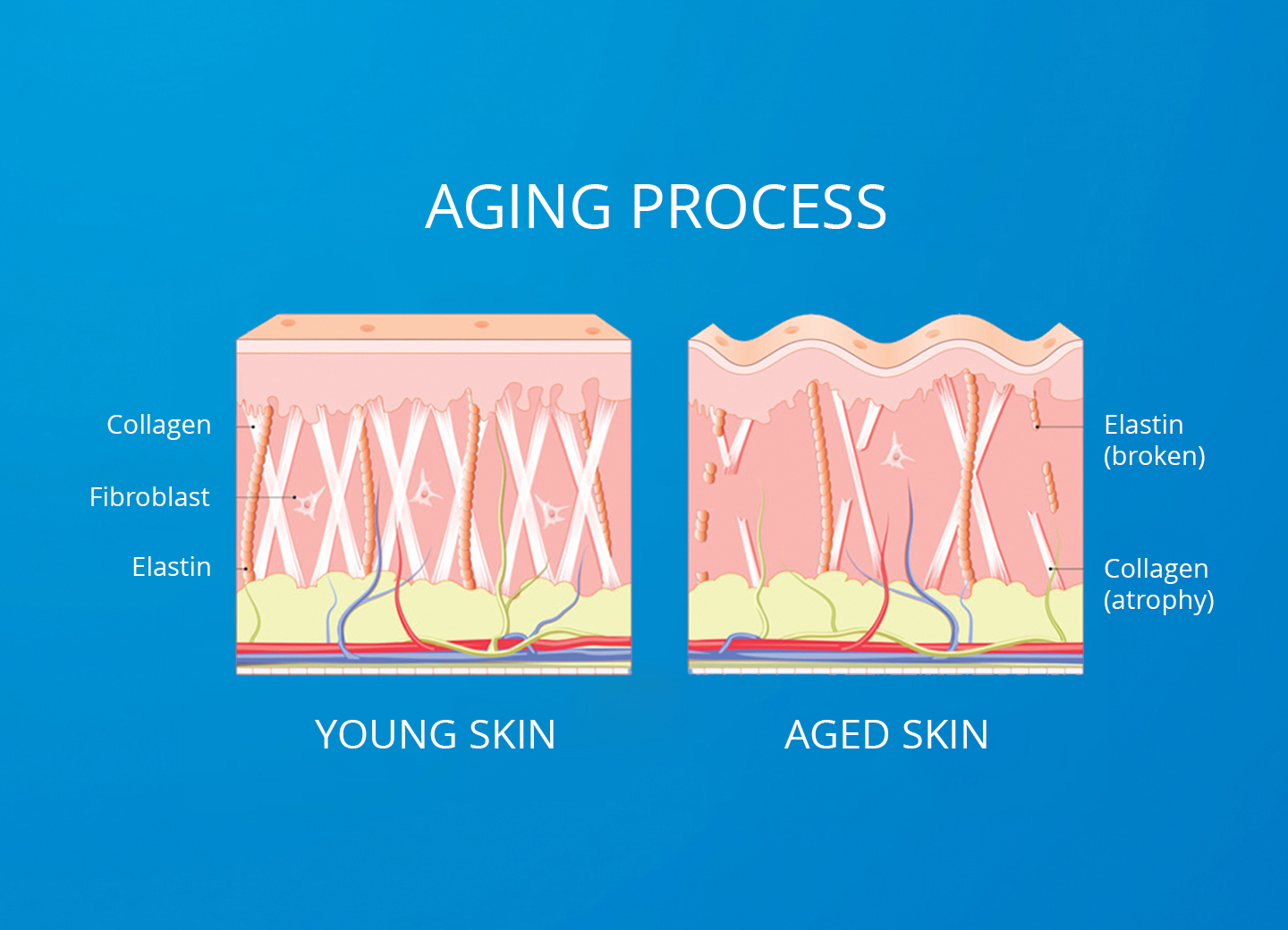
Autologous fibroblast cell therapy is obtained by isolating fibroblasts from a small biopsy sample taken from the patient’s own skin and multiplying them in a laboratory environment.
Fibroblasts are the most important cells in connective tissue, responsible for the skin’s elasticity, resilience and renewal by synthesising collagen, elastin and extracellular matrix (ECM) proteins. As the patient’s own cells are used, there is no risk of an immune response and it is a safe procedure.
Autologous fibroblasts, multiplied under controlled conditions in the laboratory, are re-injected into the individual’s skin to compensate for collagen loss associated with ageing, reduce wrinkles, and provide a long-lasting rejuvenating effect on the skin. In addition, it is clinically used in the repair of scars, burns, acne scars, and deformities associated with tissue loss.
Dermatology & Aesthetic Applications
Elimination of fine wrinkles and signs of ageing
Increased skin elasticity
Acne scar and scar treatments
Lip and facial contouring
Tissue Repair
Chronic wound treatments
Post-burn tissue regeneration
Pressure sores
Trauma-related skin deformities
Autologous fibroblast cell production is a safe and biocompatible regenerative treatment method performed using cells taken from the patient’s own skin. It promotes long-term collagen production, rejuvenating the skin and offering natural and permanent solutions for skin problems caused by wounds, scars or ageing.
Quality Control Parameters (Autologous Fibroblast Production)
Serology Analysis
Culture Analysis
Cell Count and Viability Analysis
Surface Marker Analysis
Endotoxin Analysis
Mycoplasma Analysis
Gram Stain Analysis
We use cookies to ensure we give you the best experience on our website. If you continue to use this site, we will assume that you accept cookies.